Skip to content

Cart

Your cart is empty

Continue shopping
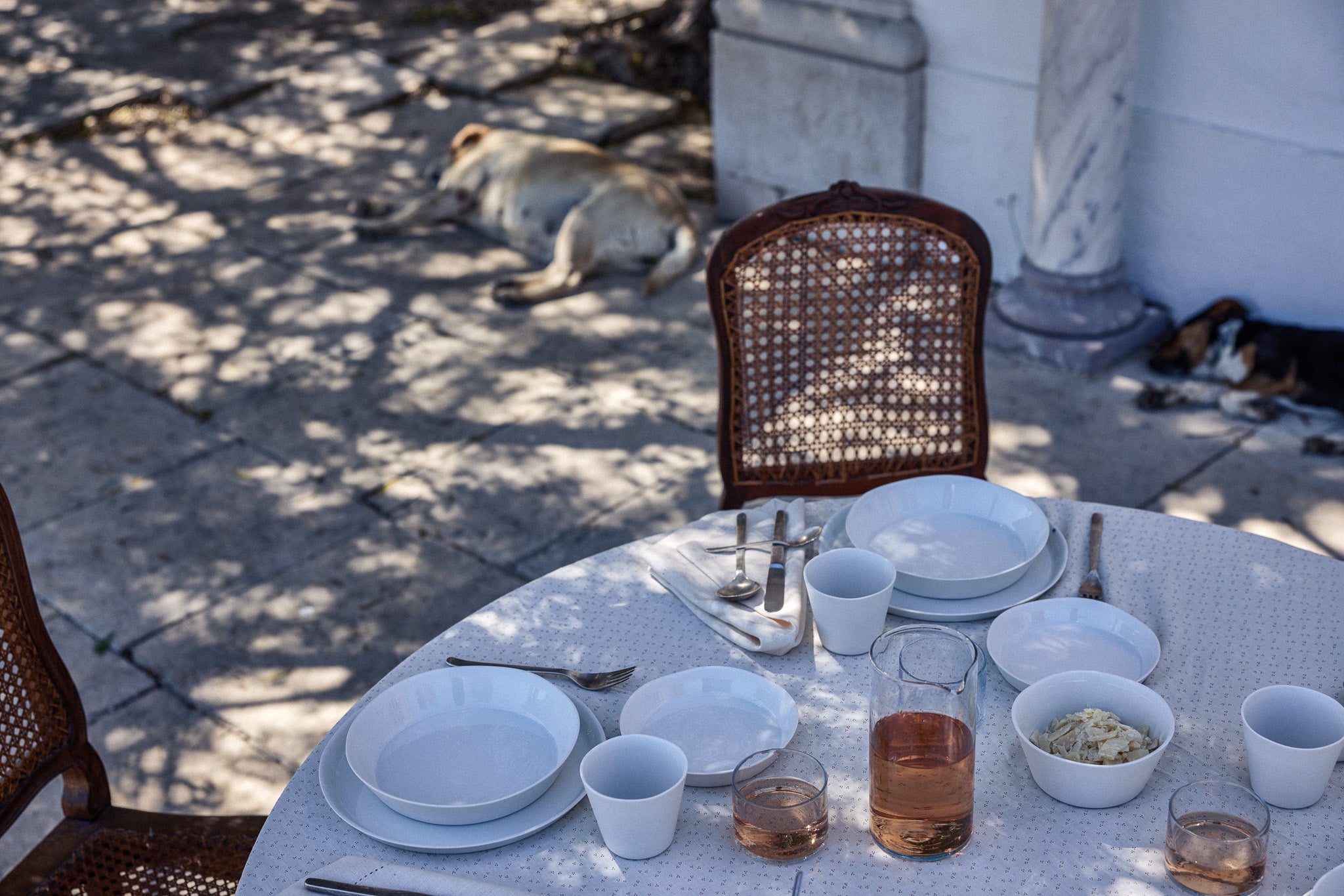
Gedeckter runder Tisch im Freien mit schlichtem weißen Keramikgeschirr – Teller, Schüsseln und Becher – sowie einer Glaskaraffe mit Roséwein und Wassergläsern. Ein antiker Rattanstuhl steht am Tisch. Im Hintergrund liegt ein Hund entspannt im Schatten auf dem Steinpflaster. Baumschatten zeichnen ein lebendiges Muster auf Tisch und Boden.

Pura

For us, joy in eating means joy in life. Thus, we perceive PURA as an attribute of beautiful moments at the dining table.

Up to 30%Set of 2#farbe_rosa#farbe_rosa
Sale priceSet from 30,80 € Regular price44,00 €
Up to 40%Set of 2#farbe_weiß#farbe_weiß
Sale priceSet from 42,00 € Regular price60,00 €
-30%Set of 2#farbe_rosa#farbe_rosa
Sale priceSet from 42,00 € Regular price60,00 €
Up to 40%Set of 2#farbe_rosa#farbe_rosa
Sale priceSet from 56,00 € Regular price80,00 €
Nahaufnahme eines gedeckten Außentisches mit zart gemustertem Tischtuch. Im Vordergrund ein Gedeck mit tiefer weißer Keramikschüssel auf flachem Teller, einer Gabel links und Silberbesteck auf einer Leinenserviette rechts. Ein weißer Keramikbecher steht oben links. Baumschatten zeichnen ein sanftes Muster auf Tischtuch und Boden im Abenddämmerungslicht.
-30%Set of 2#farbe_weiß#farbe_weiß
Sale priceSet from 49,00 € Regular price70,00 €
-30%Set of 2#farbe_rosa#farbe_rosa
Sale priceSet from 49,00 € Regular price70,00 €
-30%#farbe_rosa#farbe_rosa
Sale price55,30 € Regular price79,00 €
-30%Sold out#farbe_rosa#farbe_rosa
Sale price257,60 € Regular price368,00 €
-30%Sold out#farbe_rosa#farbe_rosa
Sale price315,00 € Regular price450,00 €
-30%Sold out#farbe_rosa#farbe_rosa
Sale price420,00 € Regular price600,00 €
-30%Sold out#farbe_rosa#farbe_rosa
Sale price630,00 € Regular price900,00 €
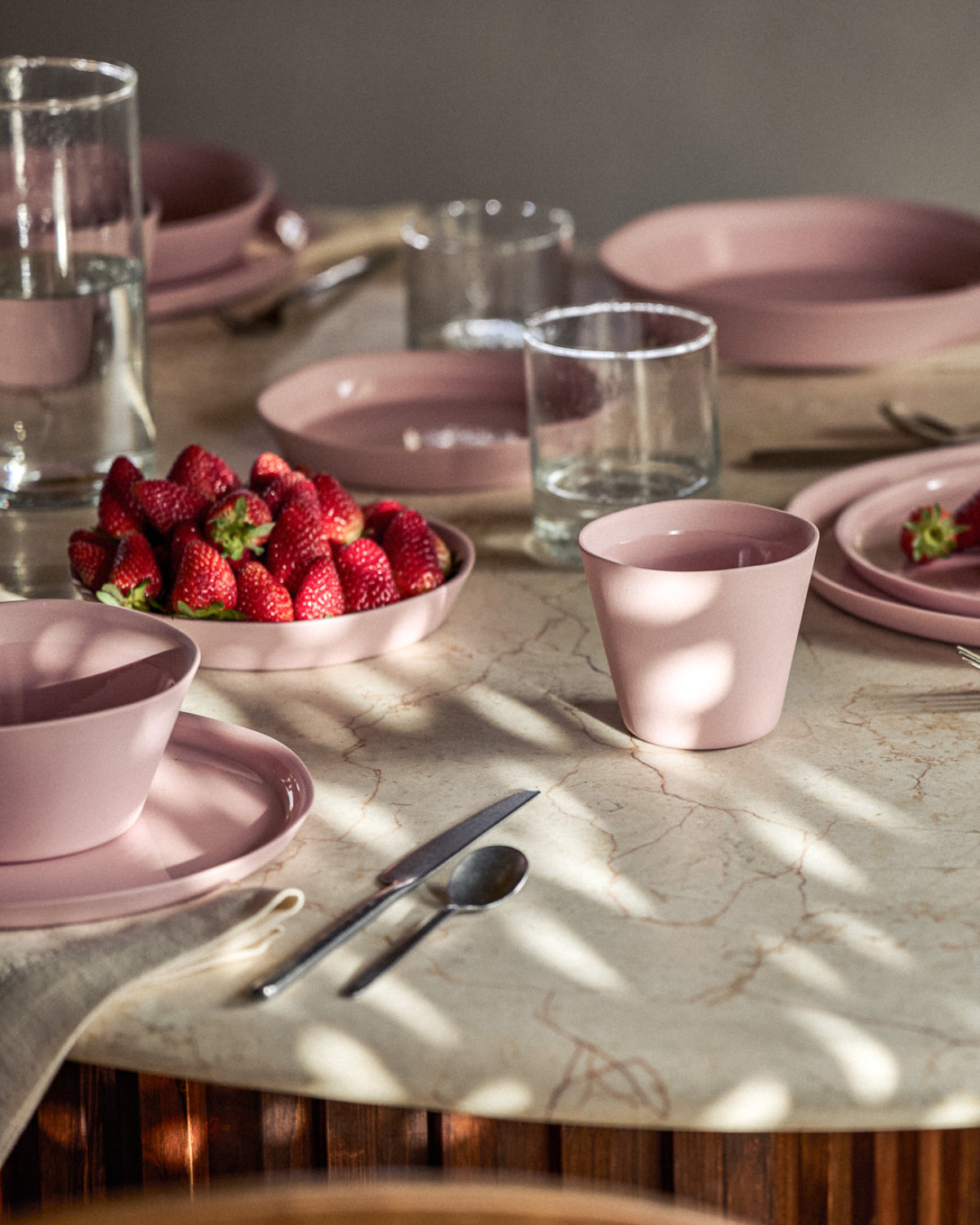
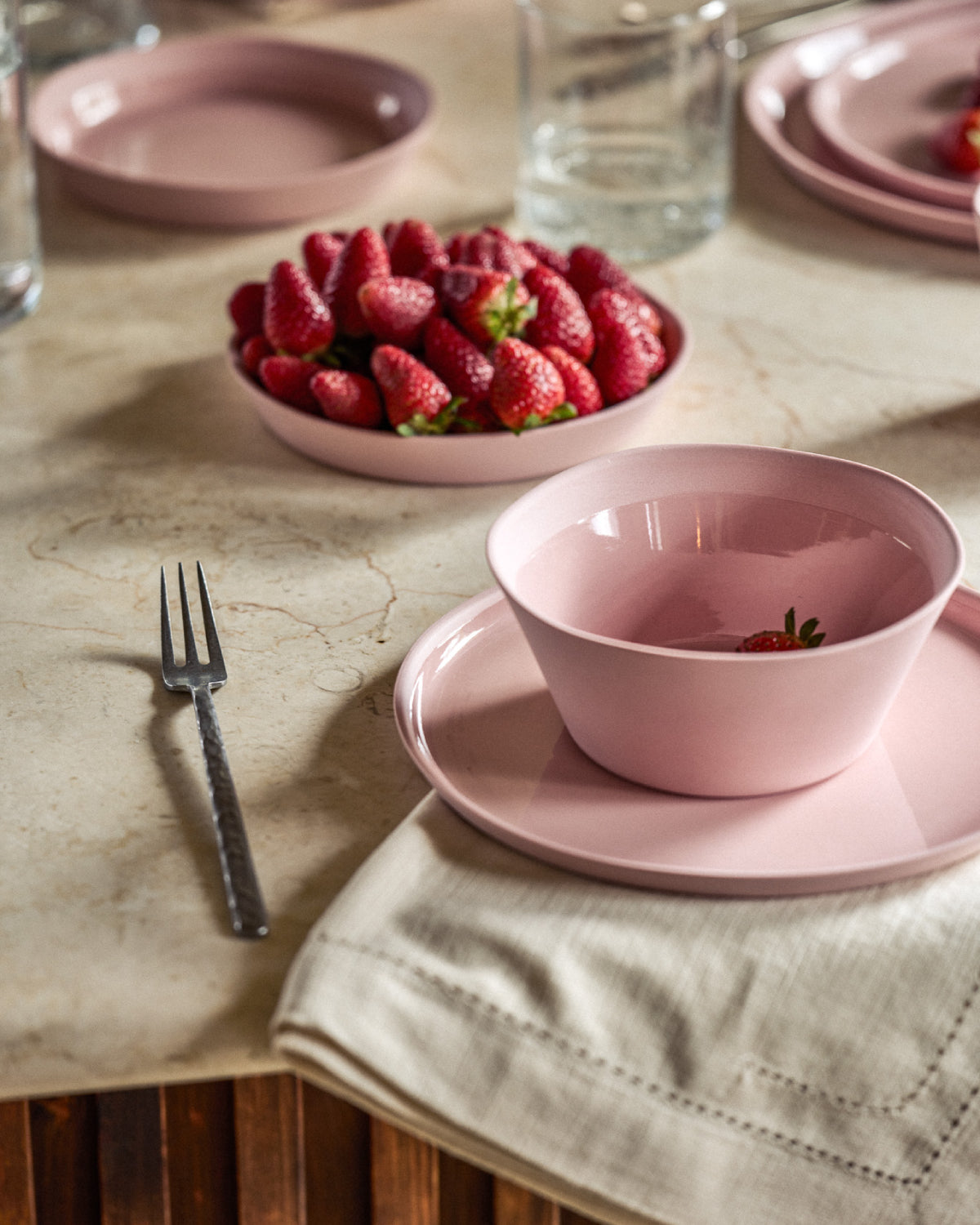
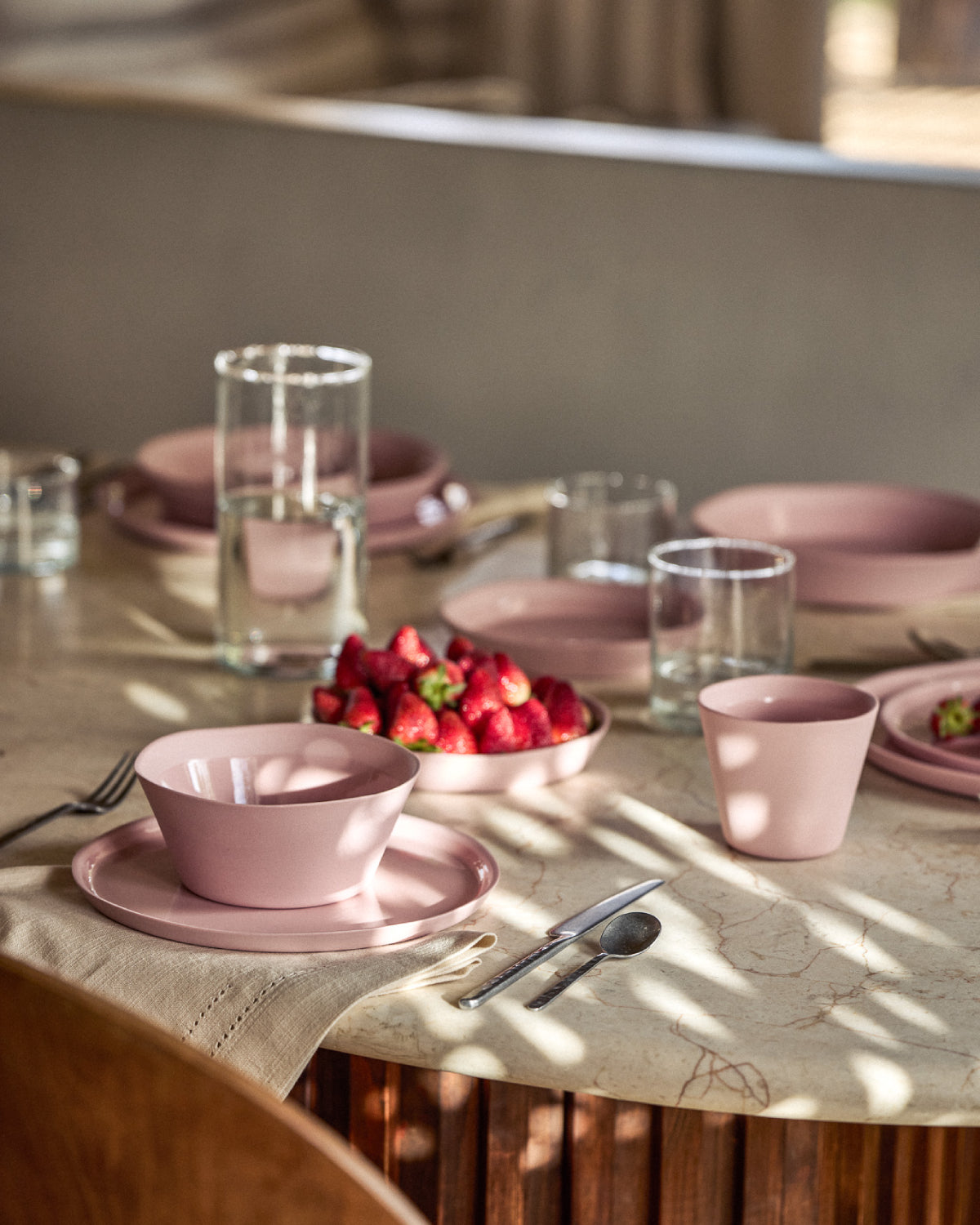
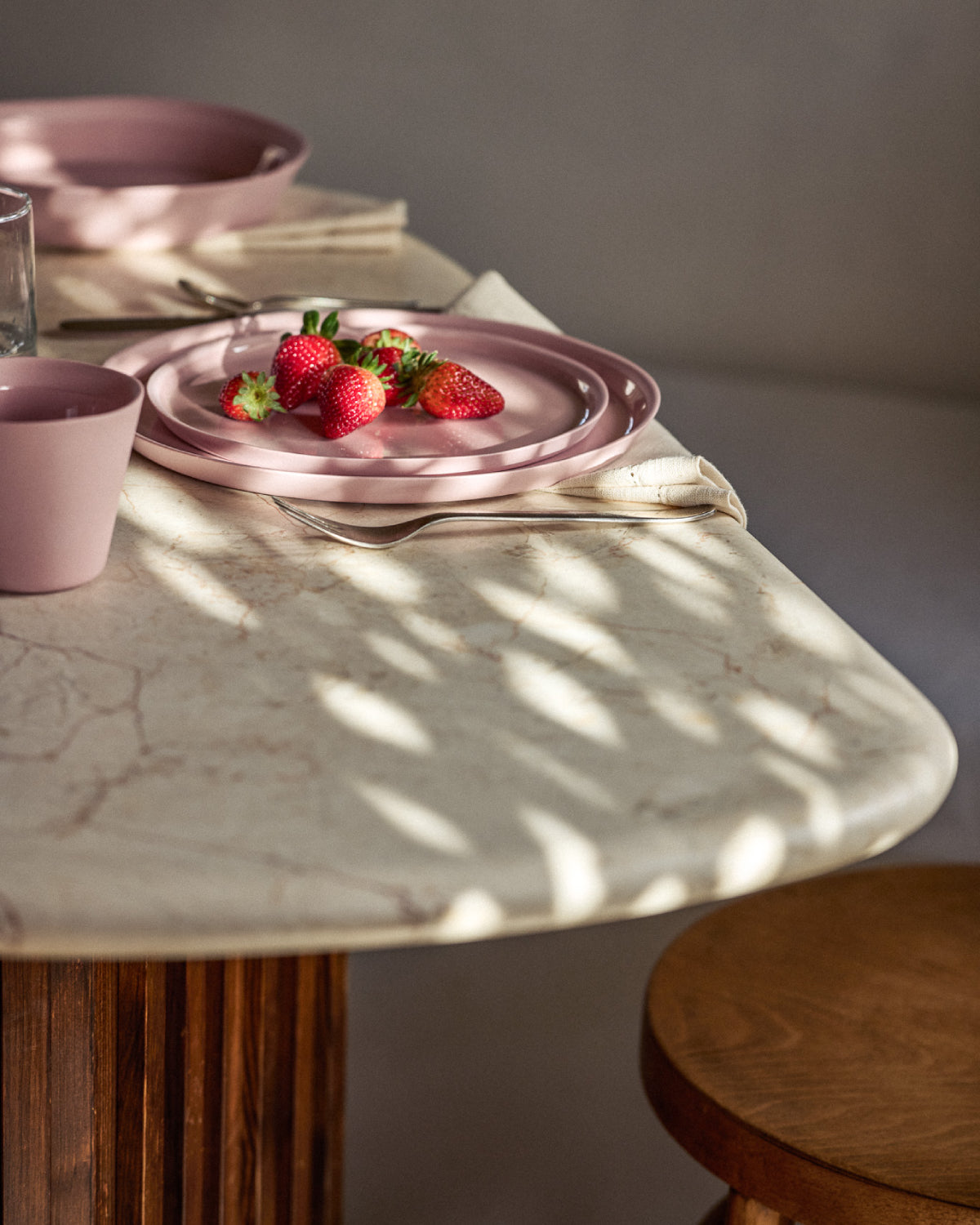
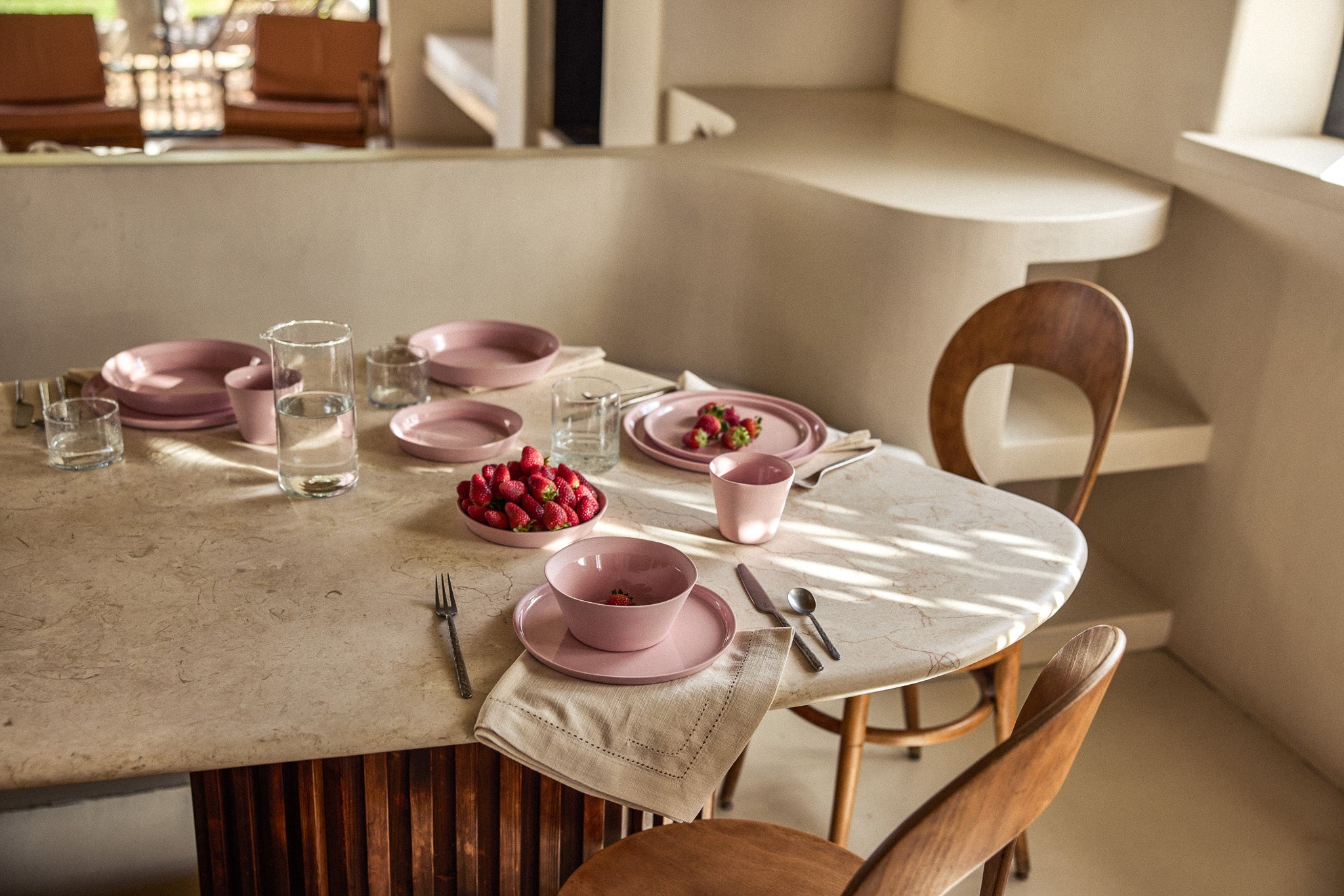
Ovaler Marmortisch mit Holzunterbau in einem warmen, minimalistischen Interieur, gedeckt mit rosafarbenem Keramikgeschirr. Eine große Schüssel ist gefüllt mit frischen Erdbeeren, weitere Erdbeeren liegen auf einem Teller. Klare Wassergläser, ein rosafarbener Becher und Leinenservietten mit Hohlsaumstickerei ergänzen das Arrangement. Zwei Holzstühle mit geschwungener Rückenlehne stehen am Tisch, im Hintergrund eine organisch geformte Wandnische.

Über die Kollektion Pura

About Pura

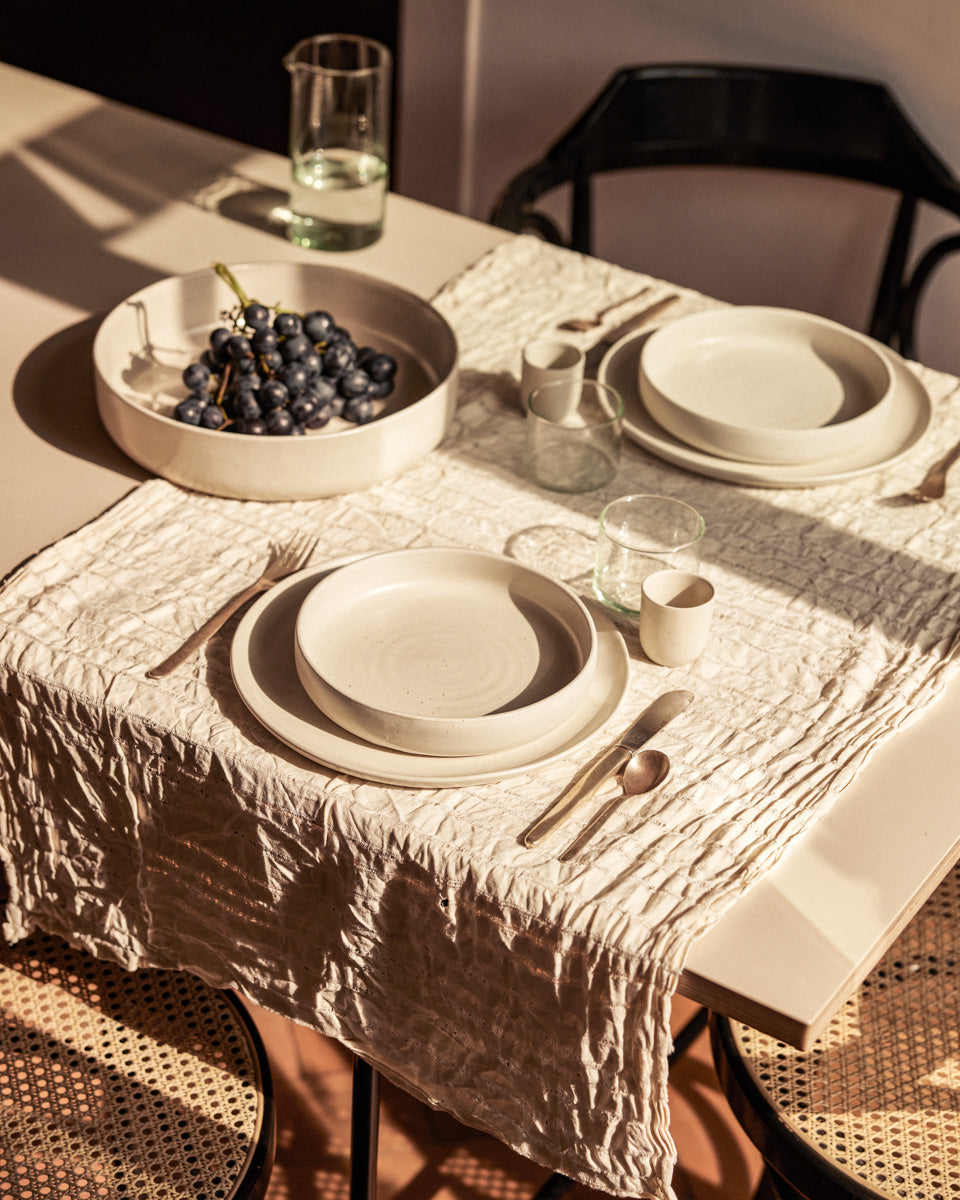
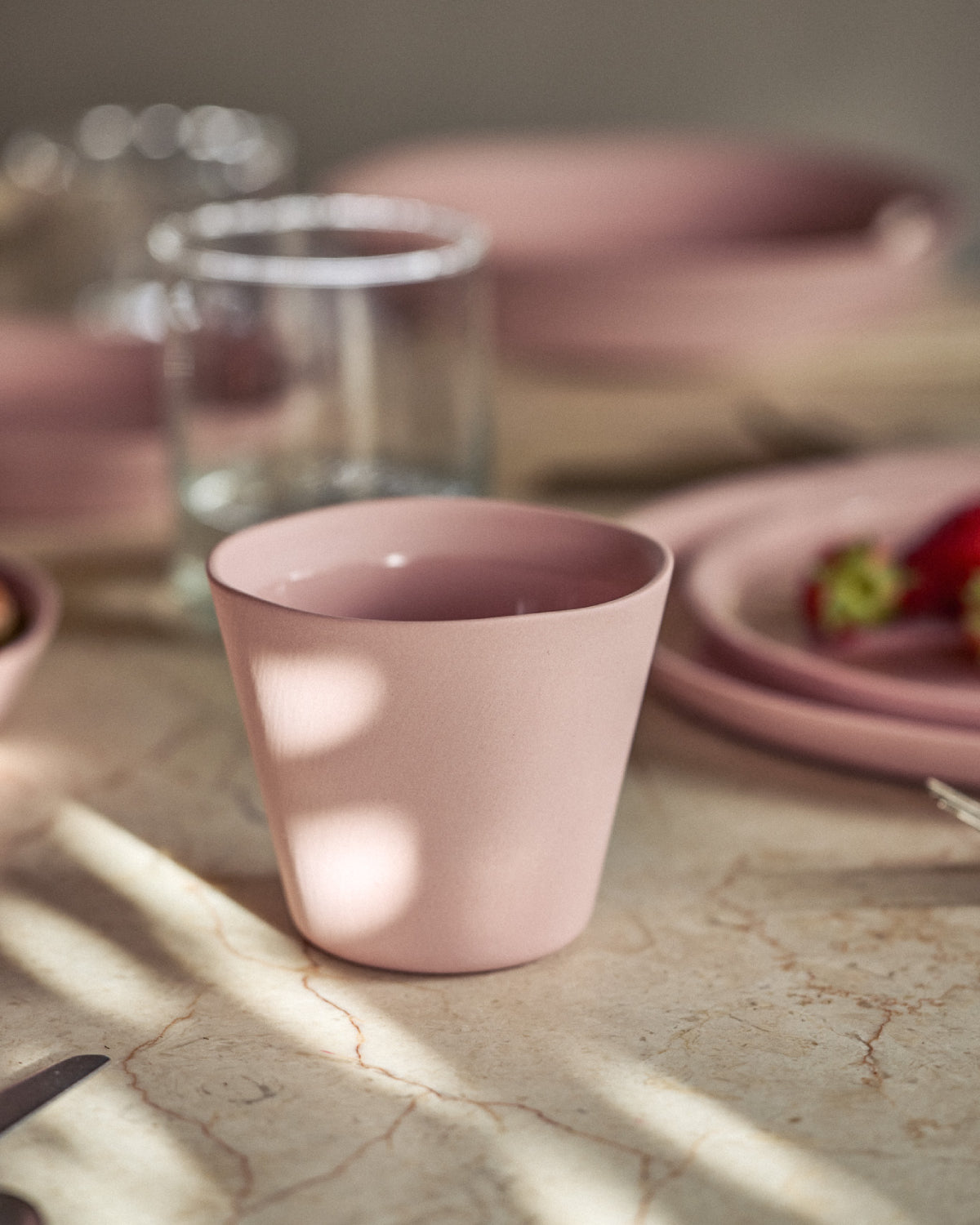
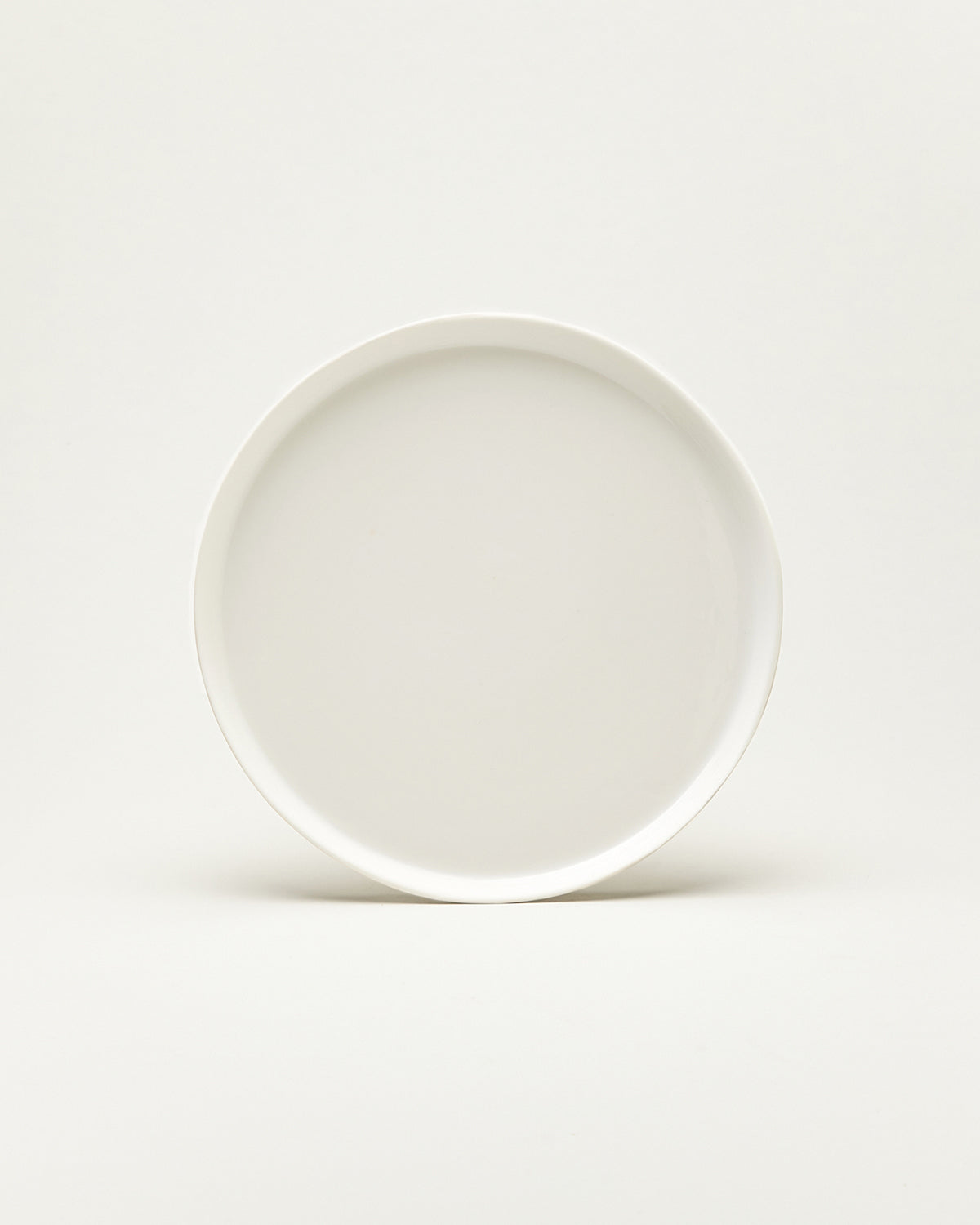
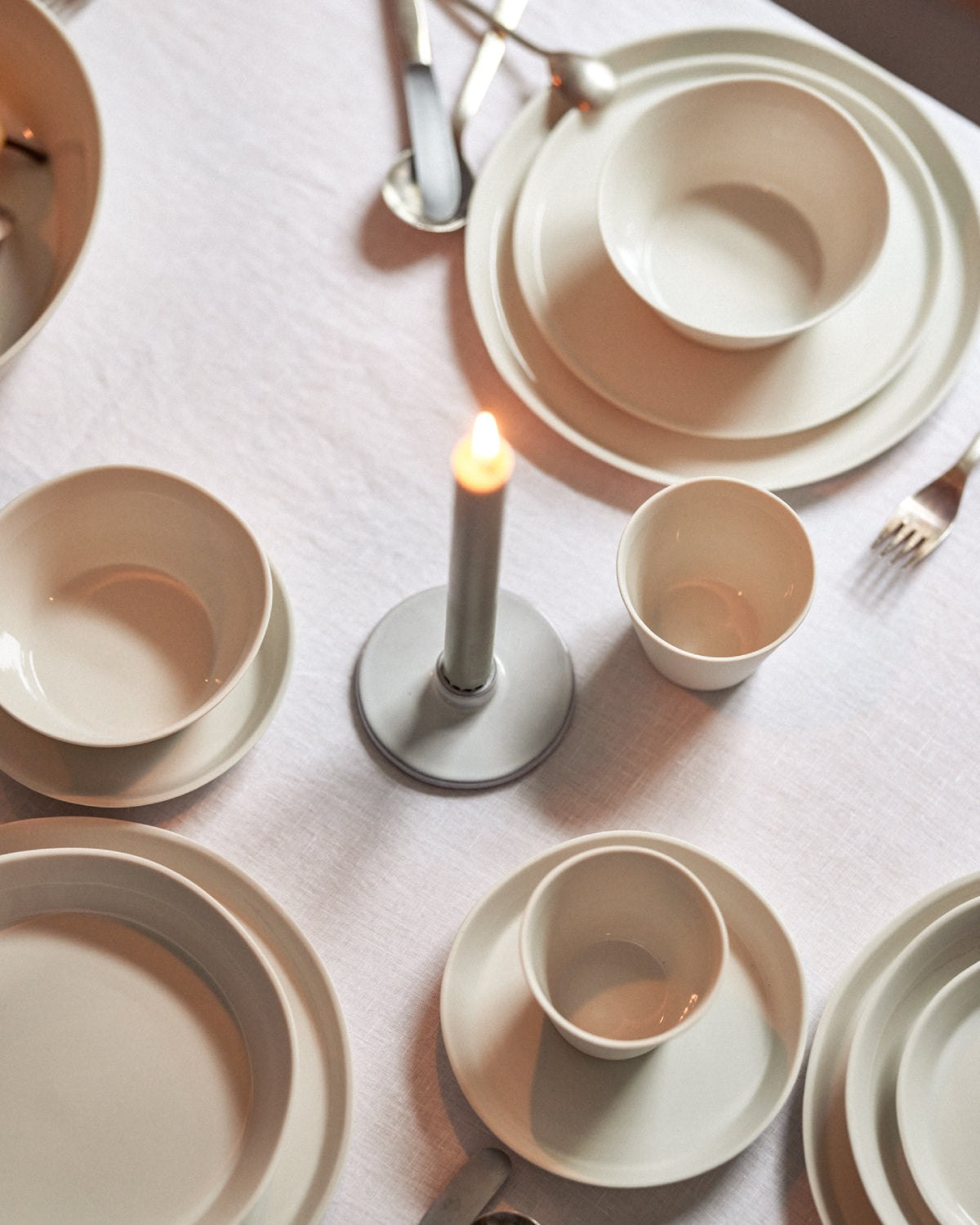
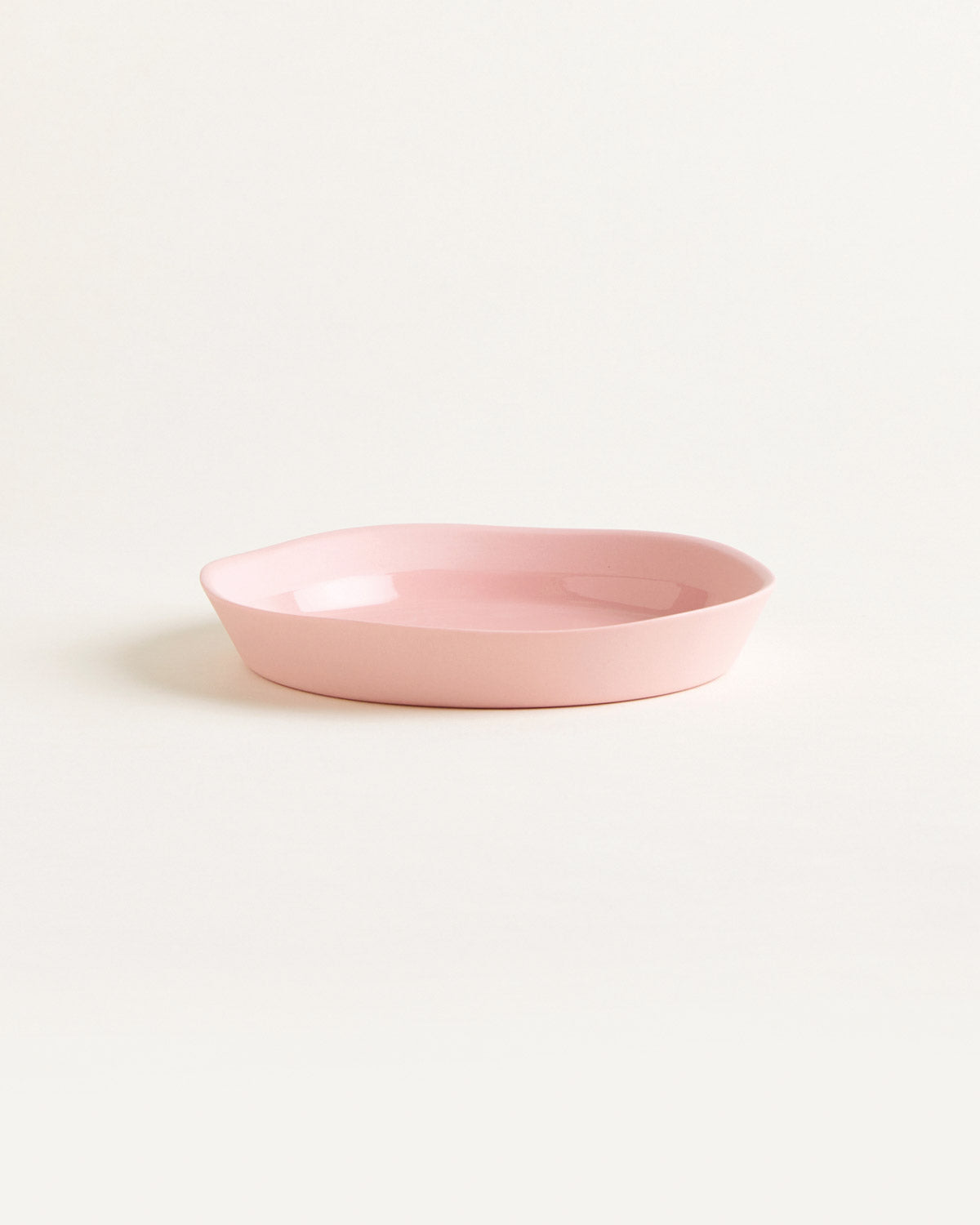
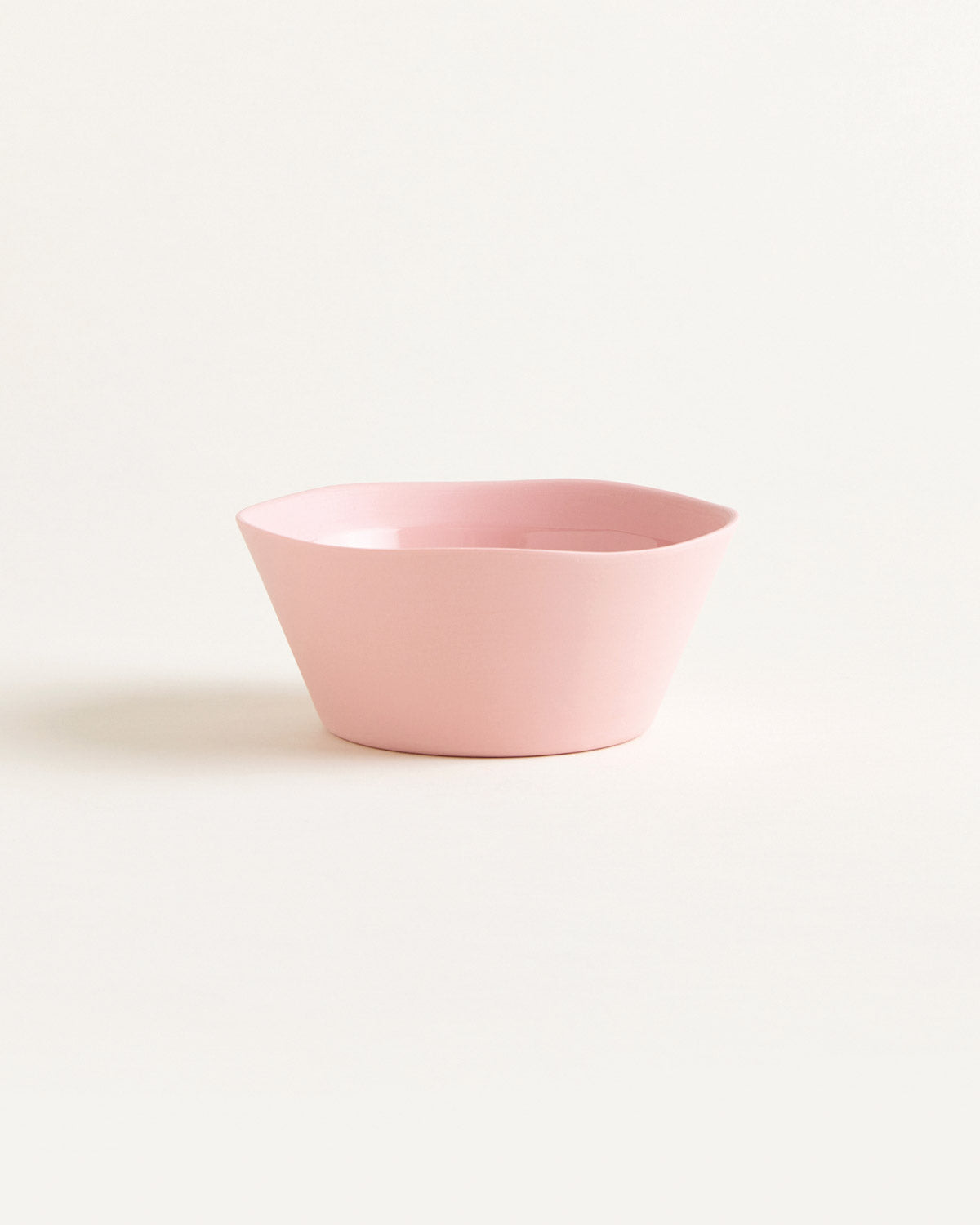
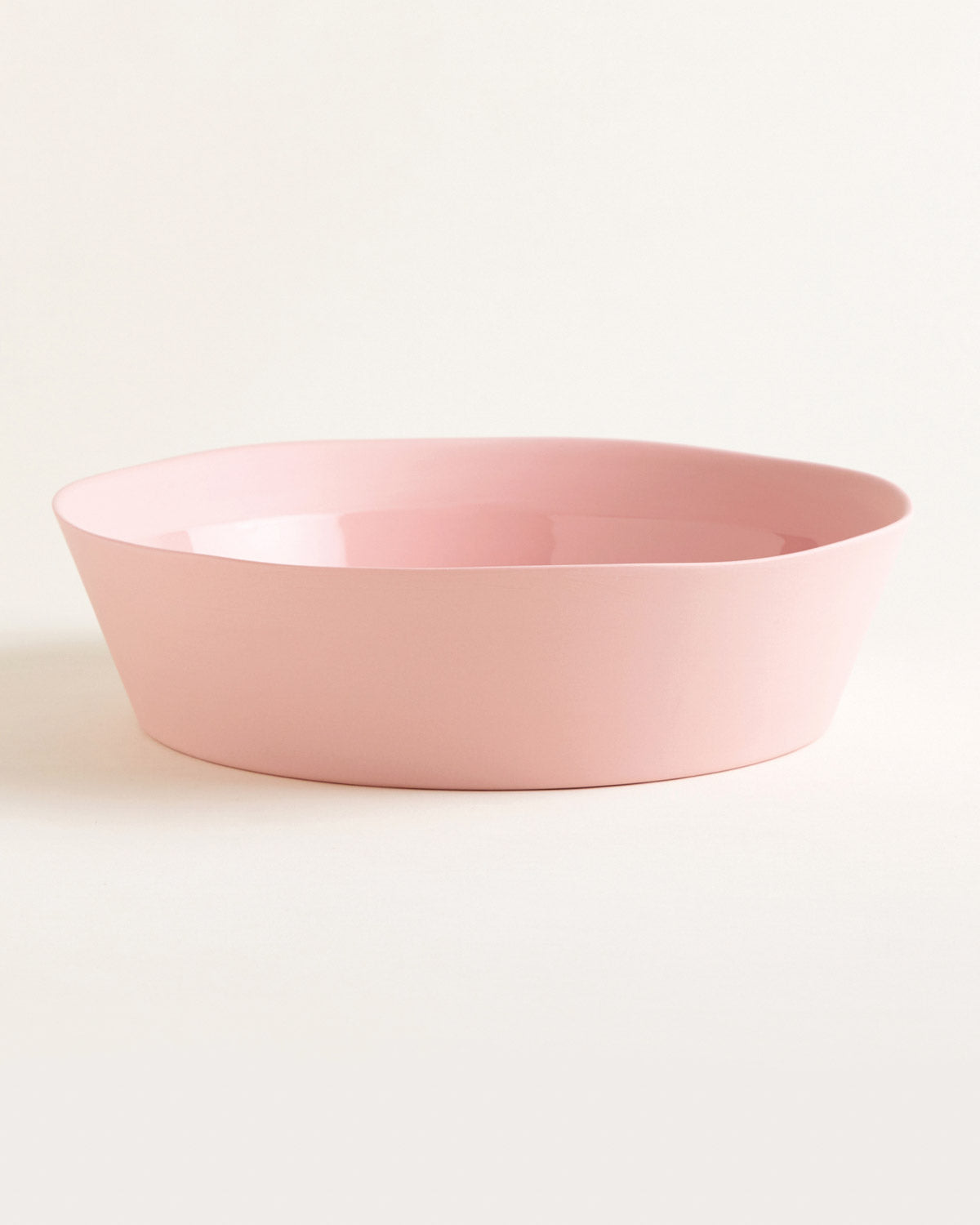
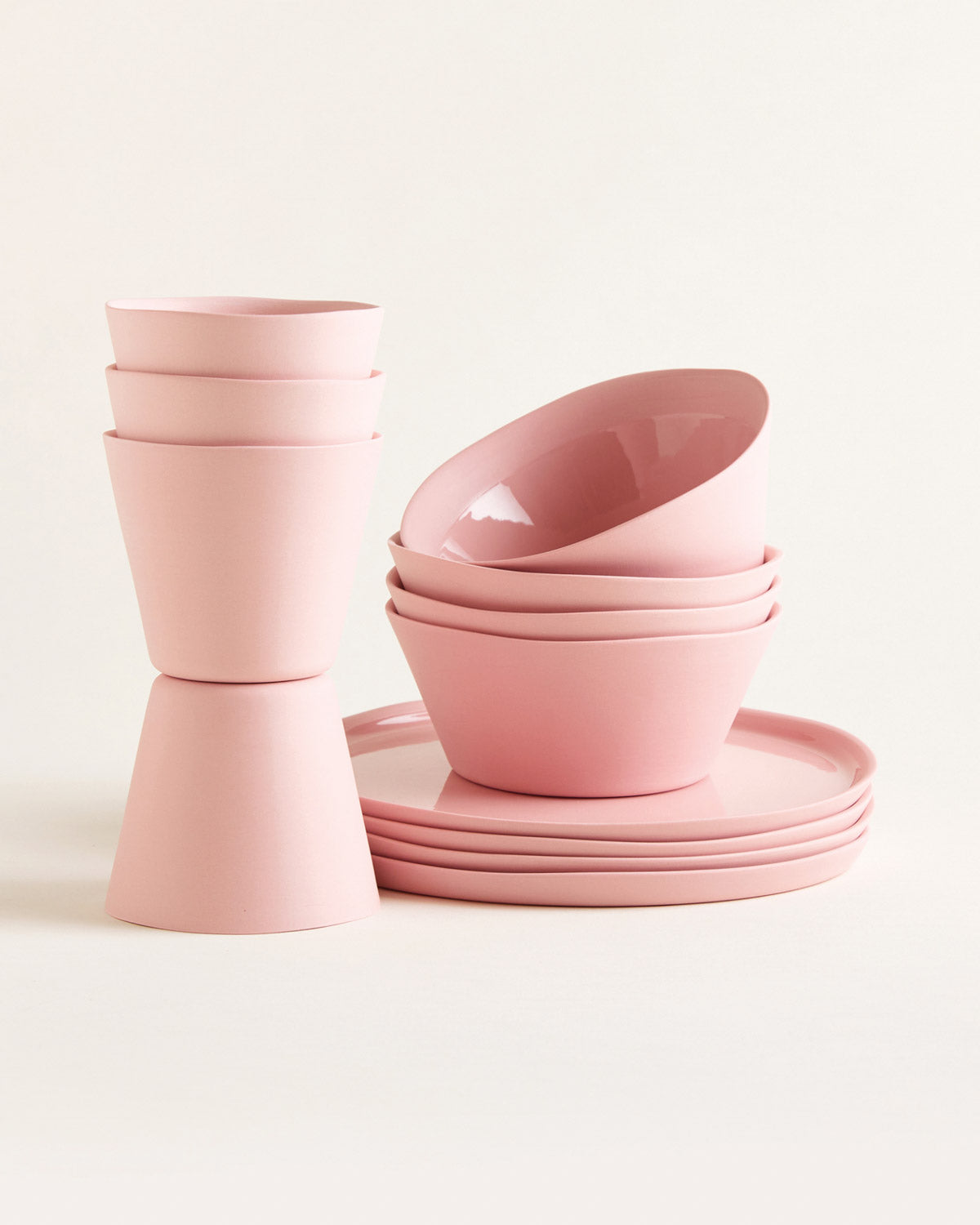
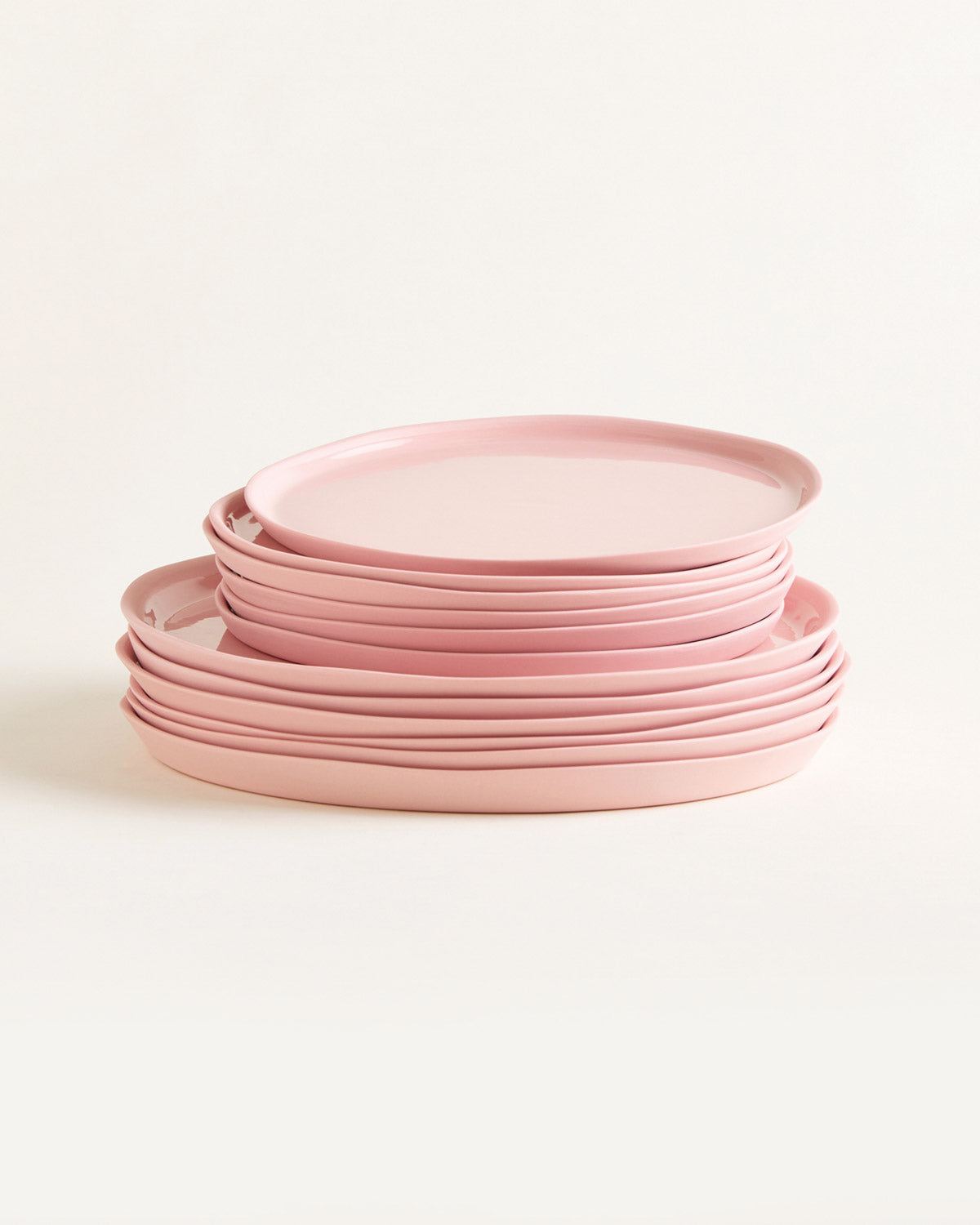
The PURA porcelain collection is manufactured in a porcelain factory near Aveiro, in the north of Portugal. PURA consists of seven shapes that make up a dinnerware set for various occasions. The upper part of the shapes is unglazed, creating a beautiful play of light inside the product. The shapes open conically.


Porcelain is traditionally used for special occasions and adorns the great moments of life. Due to its durability, porcelain is also suitable for everyday use and can be put in the dishwasher. The dinnerware is also wonderful as a wedding, Christmas, or birthday gift. Or as a gift to oneself, to indulge in something special for many years.


The products are particularly delicate, yet extremely robust due to their hardness. Thus, they create an interesting effect of delicacy and strength. For cooks and friends of special culinary delights, the shapes of our porcelain serve as an attractive canvas on which dishes can be presented nobly and invitingly

about Porcelain

Porcelain has a history: In China, porcelain was made during the Tang Dynasty using a firing process with two ores: feldspar and kaolin.

This process has undergone some changes over the centuries. Today, porcelain ceramic is made from the raw materials kaolin, feldspar, quartz, and clay.

It differs from other ceramic products by the presence of three unique and fundamental technical properties. These are hardness, whiteness, and translucency.

Porcelain has high mechanical strength, low porosity, and high density, giving it durability, harmlessness, a soft feel, and beauty in everyday use. Porcelain is created by higher firing temperatures and is largely insensitive to temperature fluctuations - it is fired at up to 1400°C, making the material robust.

Each piece of porcelain undergoes a process of designing, composing, shaping, drying, decorating, and firing, resulting in tangible quality.

Differences in Porcelain

Porcelain, stoneware, and earthenware are often confused, but here are the differences:

Translucency:

Porcelain is uniquely translucent because it is glazed and fired at 1,400ºC, giving it brightness and whiteness and an extra dose of stability.

Composition:

Porcelain contains feldspar, kaolin, silica, and clay. In contrast, stoneware and earthenware contain silica and clay, with earthenware having more clay than kaolin.

Porosity:

Porcelain has almost no porosity compared to other ceramic products, making it hygienic and ideal for frequent use. Earthenware and stoneware, on the other hand, are porous, with the latter being glazed to significantly reduce porosity.

In summary, porcelain is made from four raw materials, giving it high resistance and unique translucency. As a pore-free material, it is extremely hygienic and, thanks to its delicacy and beauty, suitable for every occasion. Porcelain is ideal for those looking for something sophisticated, exclusive, and durable.

Questions & Answers

more Questions & Answers
What is porcelain, actually?

Porcelain has a history: In China, porcelain was made during the Tang Dynasty using a firing process with two ores: feldspar and kaolin. This process has undergone some changes over the centuries. Today, porcelain ceramic is made from the raw materials kaolin, feldspar, quartz, and clay. It differs from other ceramic products by the presence of three unique and fundamental technical properties. These are hardness, whiteness, and translucency. Porcelain has high mechanical strength, low porosity, and high density, giving it durability, harmlessness, a soft feel, and beauty in everyday use. Porcelain is created by higher firing temperatures and is largely insensitive to temperature fluctuations - it is fired at up to 1400°C, making the material robust. Each piece of porcelain undergoes a process of designing, composing, shaping, drying, decorating, and firing, resulting in tangible quality.

What are the differences from other ceramic materials?

Porcelain, stoneware, and earthenware are often confused, but here are the differences: Translucency: Porcelain is uniquely translucent because it is glazed and fired at 1,400ºC, giving it brightness and whiteness and an extra dose of stability. Composition: Porcelain contains feldspar, kaolin, silica, and clay. In contrast, stoneware and earthenware contain silica and clay, with earthenware having more clay than kaolin. Porosity: Porcelain has almost no porosity compared to other ceramic products, making it hygienic and ideal for frequent use. Earthenware and stoneware, on the other hand, are porous, with the latter being glazed to significantly reduce porosity. In summary, porcelain is made from four raw materials, giving it high resistance and unique translucency. As a pore-free material, it is extremely hygienic and, thanks to its delicacy and beauty, suitable for every occasion. Porcelain is ideal for those looking for something sophisticated, exclusive, and durable.

Where do your products come from?

Our products are created in close cooperation with small manufacturers from Portugal.

How do I care for my tableware to keep it in good condition for a long time?

The onomao products are designed for a long durability. They are dishwasher, oven and microwave safe. Handle your dinnerware with care and be careful not to expose it to drastic temperature changes, as this can cause cracking. With our matte glazes, cutlery abrasion may occur over time. However, this is only superficial and is usually easily removed with baking soda and a soft cloth.